Diving Hurghada
Dive Site Guide

Hurghada Diving What to See

The Red Sea off Hurghada holds more than forty catalogued dive sites within a two-hour boat radius. Most operators run daily departures between 08:00 and 18:00, with morning slots offering the clearest water. What you encounter depends on the site—northern wrecks, southern walls, or mid-coast gardens.

8 min read Updated 2026-09-28 Fact-checked
Hurghada Diving What to See

Quick answer

Hurghada diving what to see includes historic shipwrecks like the Thistlegorm and Rosalie Moller, hard and soft coral gardens at Giftun Island, and pelagic encounters with barracuda, napoleonfish, and occasional manta rays. The northern sites favor wreck penetration and artificial reef colonization, while southern routes emphasize wall dives and macro life. Visibility averages fifteen to thirty meters depending on season and wind.

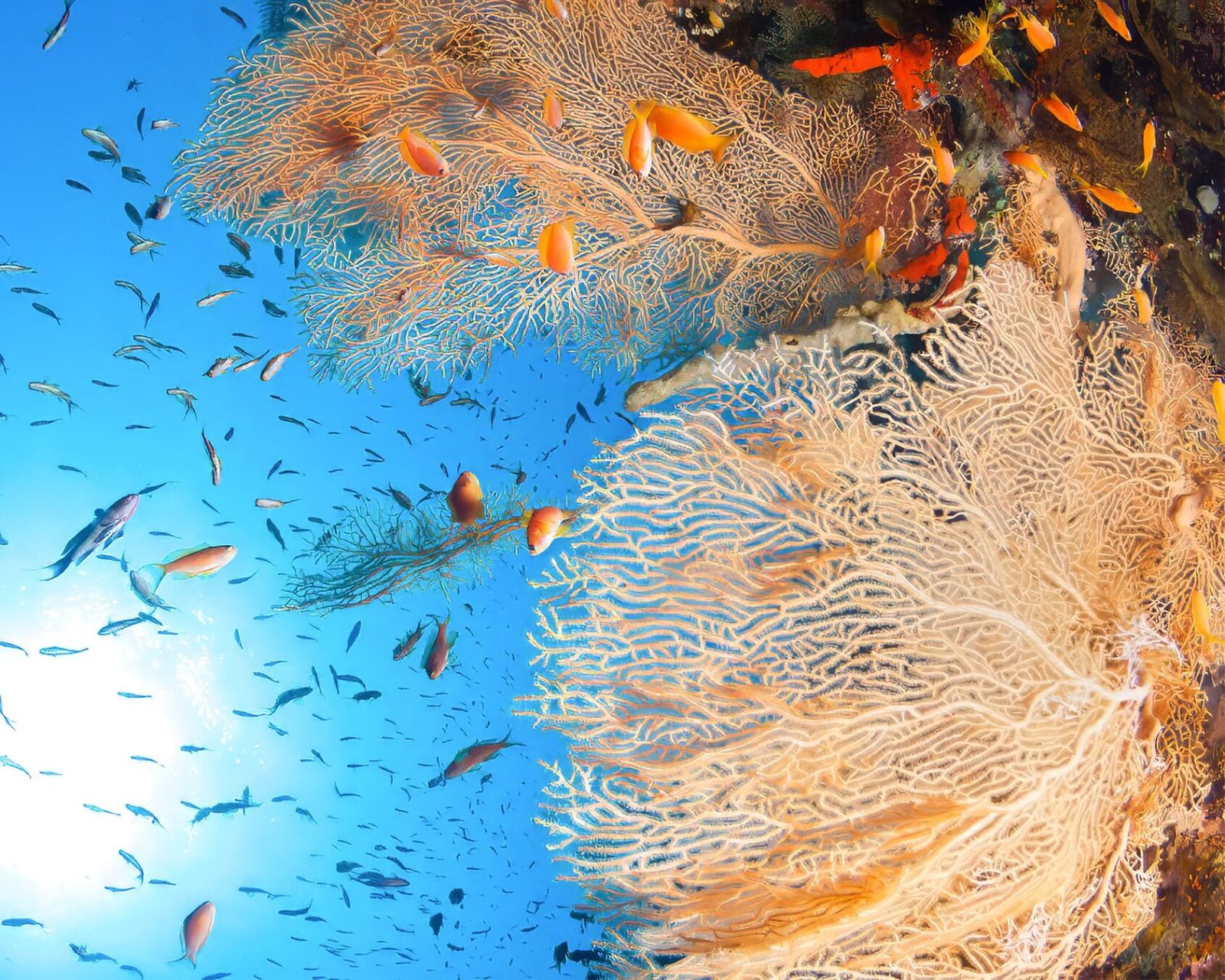
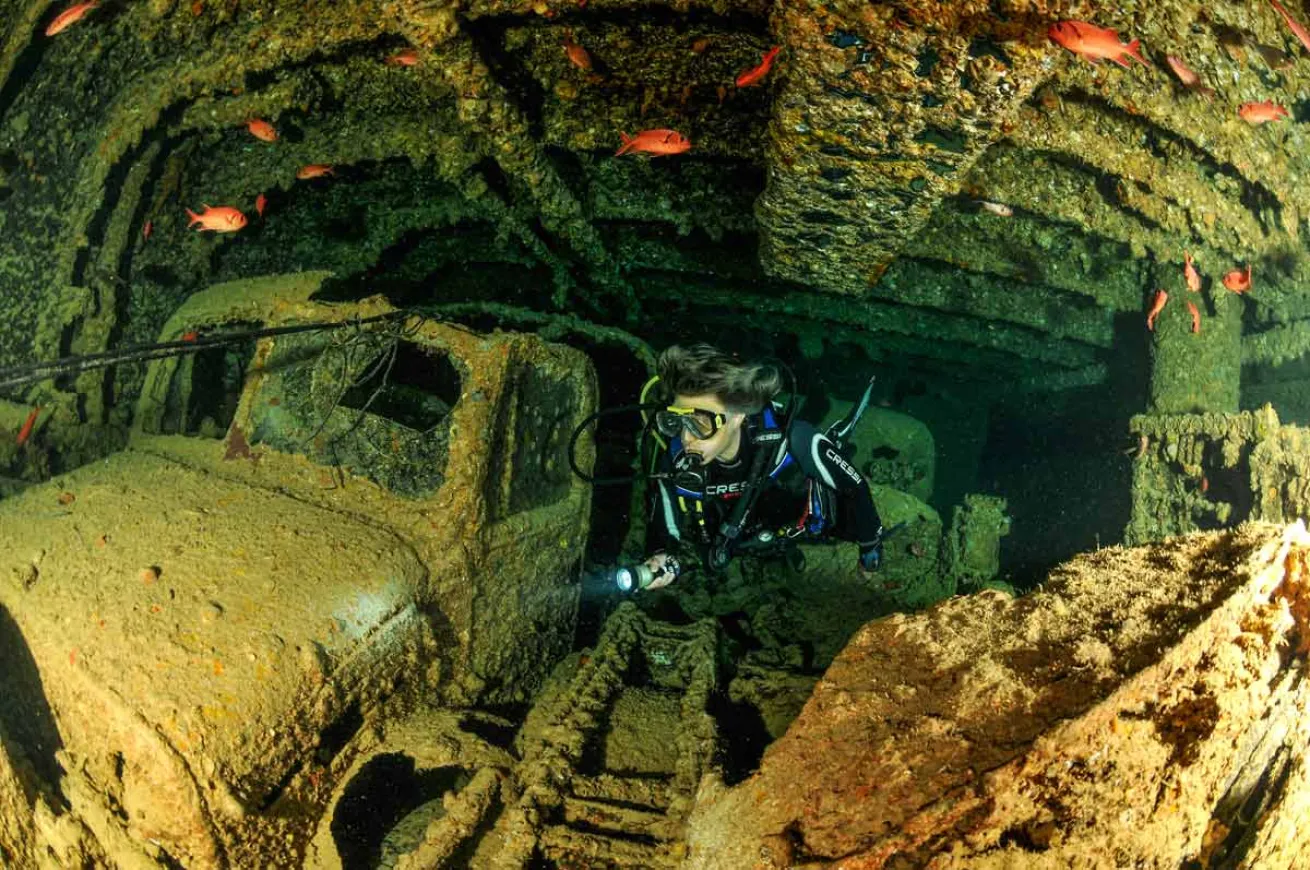
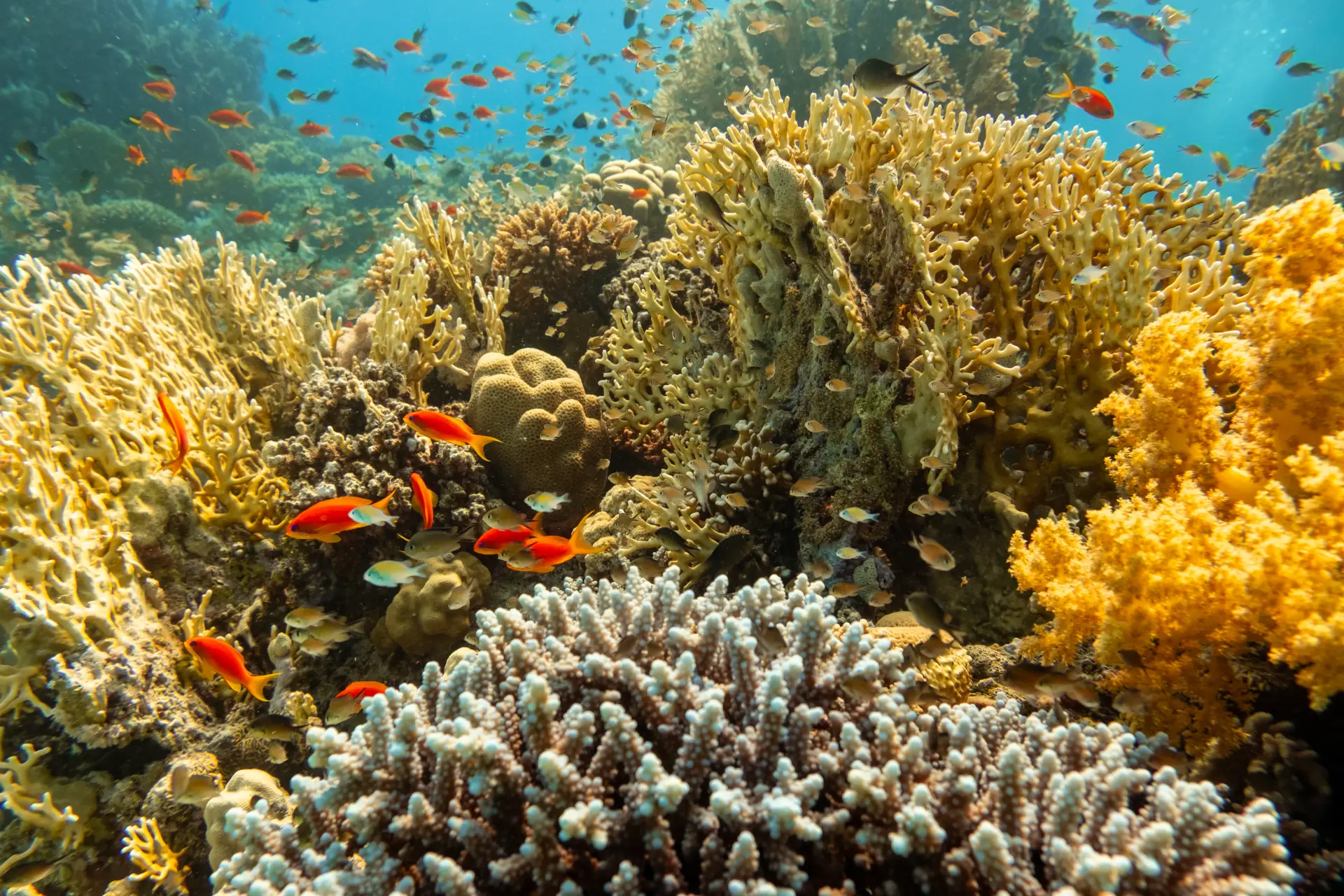
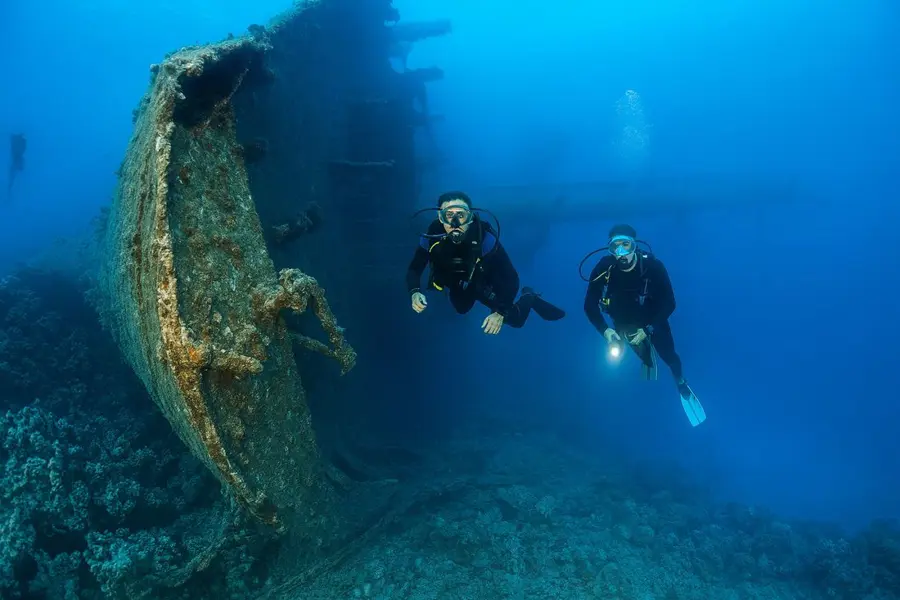
The Red Sea's salinity—four percent higher than the Atlantic—creates buoyancy that novice divers notice immediately and supports coral density rare in other warm-water zones. Hurghada's dive calendar runs year-round, but what you see shifts with water temperature and plankton bloom cycles. Northern wrecks dominate the reputation. The SS Thistlegorm, sunk in 1941 with a cargo hold full of motorcycles and railcars, sits at thirty meters and draws technical divers for penetration routes through engine rooms and munitions bays. Abu Nuhas reef has claimed four steel-hulled ships since the nineteenth century; the Carnatic and Giannis D rest shallow enough for recreational limits and host schools of glassfish inside their skeletal frames. Wreck diving in Hurghada means navigation through silt and restricted visibility inside compartments, so most operators require Advanced certification or a local briefing. Southern sites trade steel for stone. Shaab Abu Ramada and the Giftun Island chain offer vertical walls where gorgonian fans grow perpendicular to the current and anthias swarm in layered clouds. Turtles forage on the rubble slopes, and napoleonfish patrol the drop-offs. Macro enthusiasts work the shallows for nudibranchs, crocodilefish, and blue-spotted rays half-buried in sand. These sites handle beginners well—depth range five to eighteen meters, mild current, high ambient light. Pelagic sightings are opportunistic rather than guaranteed. Barracuda schools circle the outer reefs during autumn upwellings, and hammerheads occasionally appear at Elphinstone in summer, though that site lies beyond Hurghada's standard day-boat range. Dolphins cross paths with boats more than divers; underwater encounters happen but are not a daily expectation. The Red Sea diving experience in Hurghada rests on consistent reef health and wreck access rather than megafauna spectacle. Operators require proof of certification, a medical fitness declaration, and in some cases a check dive before allowing wreck penetration or deep profiles. Most sites are accessed by zodiac or day boat, with surface intervals taken at moored platforms or beach landings on uninhabited islands.

“The Red Sea's salinity creates buoyancy that novice divers notice immediately and supports coral density rare in other warm-water zones.”
Timing

Best Time of Day for Hurghada Diving: What to See

The best arrival window for diving in Hurghada is 08:00–10:00. This period offers optimal water visibility and lower boat traffic at dive sites.

Weekday mornings

Minimal congestion at dive sites

—

Early arrivals encounter fewer divers in the water. This timing improves clarity and provides quieter experiences.

April to June

Moderate visitor volume

Warm, 24°C to 28°C water

These months provide stable conditions. Visibility remains high for underwater observation.

September to November

Lower density than peak summer

Warm, 25°C to 29°C water

The transition seasons offer comfortable thermal profiles. Marine activity remains consistent during these windows.

Verdict: For the best conditions, prioritize arrivals between 08:00–10:00 during the months of April or October.

What to see

Notable Sites: Hurghada Diving What to See

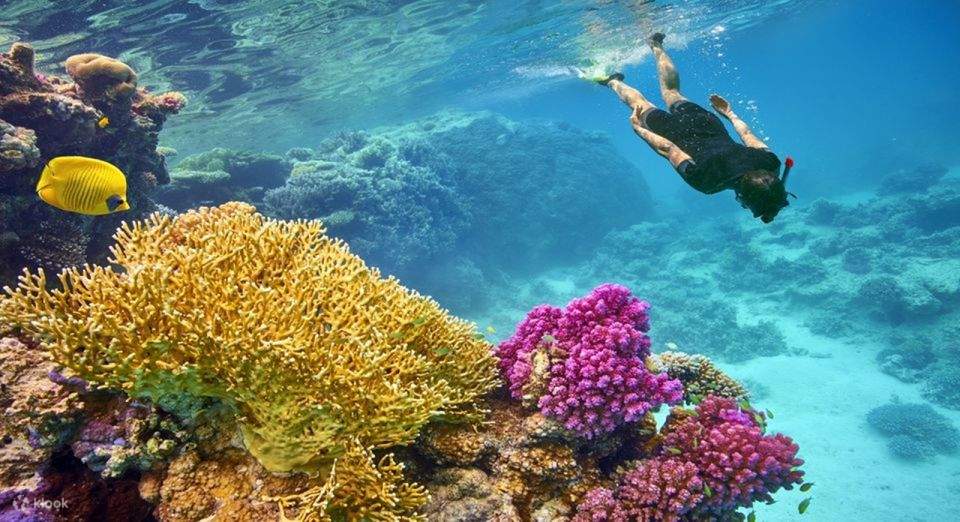
Diving around Hurghada provides access to diverse underwater topography ranging from vibrant coral gardens to historic shipwrecks. These sites host a variety of marine life, including reef sharks, rays, and extensive schools of anthias.

Shaab Abu Nuhas

Shaab Abu Nuhas

This reef is renowned for its collection of four shipwrecks, including the SS Carnatic and the Giannis D, which lie at varying depths. Divers can explore the structural remains covered in soft corals and sponges.

Focus on the stern section of the Giannis D wreckage.
Giftun Island

Giftun Island

This area features protected reefs such as Erg Somaya, characterized by wall dives and deep drop-offs. The site is known for gorgonian fans and the potential to spot moray eels and tuna.

Look for reef sharks patrolling the outer wall at depth.

Small Giftun

Small Giftun

A drift dive site featuring coral pinnacles and swim-throughs that harbor diverse macro life. The topography is dominated by hard coral formations and active cleaning stations.

Watch for nudibranchs along the shallower coral heads.

SS Thistlegorm

SS Thistlegorm

Though a longer journey, this British Merchant Navy ship remains one of the most significant wrecks in the region. The holds contain intact cargo, including motorcycles, trucks, and locomotives from World War II.

Inspect the hold containing the Bedford trucks and motorcycles.

Opening hours

Daily Operational Hours for Hurghada Diving

Diving operations in Hurghada maintain a consistent schedule throughout the week to support boat departures and equipment logistics. These hours represent the standard availability for coordination with regional dive centers.

Monday
08:00–18:00
Tuesday
08:00–18:00
Wednesday
08:00–18:00
Thursday
08:00–18:00
Friday
08:00–18:00
Saturday
08:00–18:00
Sunday
08:00–18:00
All diving activity must be coordinated with operators prior to the daily 18:00 closing time.
Prices

Entrance Fees and Costs for Hurghada Diving What to See

There is no general gate fee for accessing the dive sites in the Red Sea. Costs for diving are determined by service fees charged by licensed operators who manage the necessary permits and logistical support.

General Access No standard gate fee required for entry.
0 EGP
Operator Permits Fees for specific dive site access.
Variable
Diving Services Costs vary based on operator packages.
Variable
Public access to the Red Sea dive sites remains free of charge.

Verdict: A typical adult pays 0 EGP for venue access, with total costs depending solely on the specific services and permits arranged through a professional diving operator.

Checklist

Pre-Visit Checklist: Hurghada Diving What to See

Confirm certifications, arrange operator bookings, and pack essentials before boarding dive boats in Hurghada.

Book

Check availability

Frequently asked

Common Questions About Hurghada Diving What to See

Everything you need to know about hurghada diving what to see

What is the best hurghada diving what to see experience for beginners?

Beginners often find shallow reefs like Giftun Island or Small Giftun ideal for observing vibrant coral formations and reef fish. These locations provide calm waters suitable for your first Red Sea underwater adventure.

When is the ideal time to visit for Red Sea underwater exploration?

The best arrival window is between 08:00 and 10:00 to ensure optimal water visibility and reduced boat traffic. Visiting during this time allows you to enjoy the sites before the midday crowds arrive.

Are there specific entrance fees for diving in the Red Sea?

There is 0 EGP standard gate fee for entering the sea, as the region is open. Individual dive sites require permits managed directly by local dive operators.

How do I choose the best boat trip for hurghada diving what to see?

Look for operators that prioritize small group sizes and provide experienced dive guides for your Red Sea snorkeling or scuba trip. Reading recent reviews helps identify boats that focus on quality reef visits rather than just transport.

What marine life is commonly spotted during Red Sea scuba tours?

Divers frequently encounter clownfish, butterflyfish, moray eels, and occasionally sea turtles or rays. The biodiversity of the region makes it a primary location for observing tropical marine species in their natural habitat.

Is prior certification required for hurghada diving what to see excursions?

While professional scuba diving requires a certification card, many operators offer introductory programs for non-certified visitors. You can enjoy the underwater scenery even without prior experience through guided snorkeling or discovery dives.

What should I pack for a full day of underwater activities?

Bring sun protection, a towel, and a reusable water bottle for your day at sea. Equipment such as masks and fins are generally provided by the boat operator, but verifying this in advance is recommended.

Can children participate in hurghada diving what to see trips?

Children can join most boat trips for snorkeling and observation, provided they are comfortable in the water. Always check the specific age requirements and swimming proficiency standards with your chosen operator before booking.

Keep reading

More guides & pages