
English| EUR
Suggested for you
More currencies
Choose a language
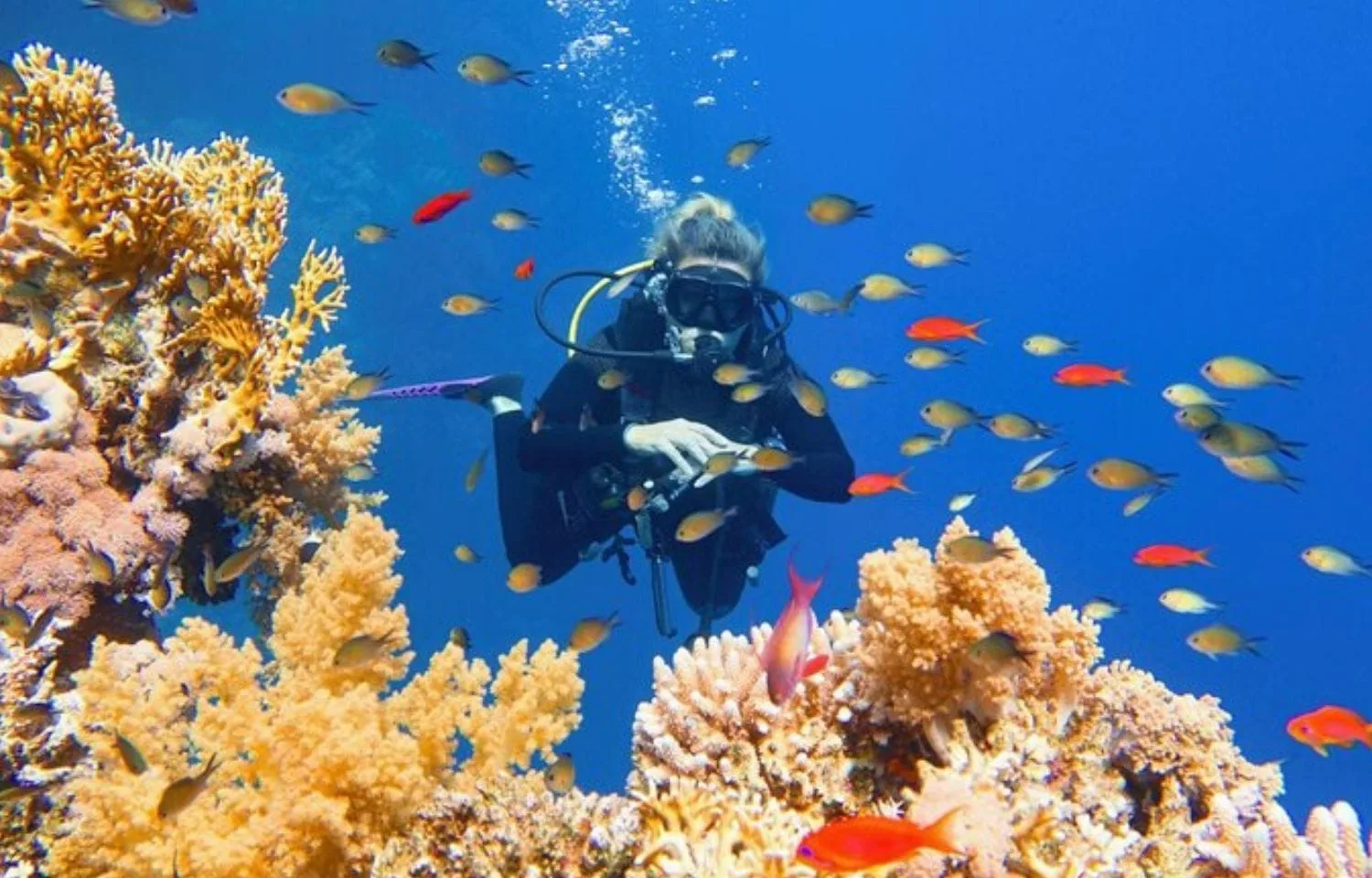
The Red Sea maintains some of the warmest and most stable diving conditions in the world. Water temperature at Hurghada dive sites dictates thermal protection choices and influences marine life activity throughout the year.
Quick answer
Hurghada diving water temperature ranges from 21°C (70°F) in February and March to 29°C (84°F) in August and September. Winter months from December through March require a 5mm wetsuit or thicker, while summer diving from June to October is comfortable in a 3mm suit or shorty. Spring and autumn shoulder seasons offer moderate temperatures around 23–26°C, ideal for extended bottom time with minimal thermal fatigue.
The Red Sea at Hurghada never drops below 20°C, even in the coldest winter weeks. This thermal stability creates year-round diving access without the seasonal closures that plague temperate destinations. February marks the annual low, when northwesterly winds cool surface layers and thermoclines become pronounced below fifteen meters. By late April, the water column begins its steady climb, reaching a summer plateau that persists through October. Summer heat pushes surface temperatures past 28°C, eliminating thermoclines and creating uniform warmth from the shallows to recreational depth limits. Divers often report feeling overheated in 5mm suits during July and August afternoon dives. A 3mm wetsuit or even a dive skin provides adequate protection against scrapes and stings while allowing heat dissipation. Night dives during this period require no additional thermal layering. Autumn brings the most balanced conditions. September and October combine warm water—still hovering near 27°C—with reduced midday heat and calmer surface conditions as summer winds subside. Visibility peaks during these months as plankton blooms fade and sediment settles. Marine life activity intensifies: reef sharks patrol cleaning stations, pelagics follow baitfish into shallow reefs, and coral spawning events occur along outer walls. Winter diving from December through March demands thicker protection, particularly for multi-dive days. A 5mm full suit with hood keeps most divers comfortable through three to four dives, though cold-sensitive individuals may prefer a 7mm or add a vest. Water temperature stabilizes around 22°C by January, and while cooler than summer, this range supports extended bottom time without the fatigue that extreme cold imposes. Morning dives between eight and ten offer the best visibility and calm water, with surface temperatures warming slightly by midday.
“The Red Sea at Hurghada never drops below 20°C, even in the coldest winter weeks.”
The period between April and October offers the most favorable water temperatures for diving in Hurghada. These months balance thermal comfort with high visibility, reducing the need for heavy exposure protection.
18°C to 22°C. Thick wetsuits recommended for extended dives.
23°C to 25°C. Comfortable water temperatures for standard 5mm suits.
26°C to 29°C. Light protection is sufficient for these peak thermal conditions.
25°C to 28°C. Warm water persists, allowing for longer underwater exposure.
Verdict: For optimal thermal comfort and visibility, plan your visit during the months of April or October.
The Red Sea provides a unique marine environment defined by its high salinity and significant depth, which contribute to the exceptional water clarity and stable conditions favored by divers. These characteristics result from limited freshwater inflow, high evaporation rates, and its specific geological isolation.
Deep-water stability at 21-22°C
Extreme depths over 3,000 meters
Exceptional underwater clarity
Global hotspot for biodiversity
Relatively young geological age
Water temperature in Hurghada ranges from 21°C in winter to 29°C in summer, requiring different thermal protection depending on your travel dates.
The Red Sea remains accessible for diving activities throughout the week. For optimal conditions, we recommend planning your arrival within the designated morning window.
There is no public entrance fee required to access the Red Sea waters in Hurghada. Costs for diving activities are associated exclusively with professional boat excursions and operator services.
Verdict: A typical visitor pays 0 EGP for sea access, with total costs depending solely on the specific boat excursion service selected.
Everything you need to know about hurghada diving water temperature
The hurghada diving water temperature generally ranges from 21°C in the winter to 29°C during the summer months. This moderate climate makes the region a popular destination for underwater exploration year-round.
Yes, seasonal shifts cause the Red Sea thermal profile to fluctuate between winter lows and summer highs. Divers typically adjust their exposure suits based on these monthly changes to maintain comfort.
To ensure the best visibility and calm sea conditions, the recommended arrival window is between 08:00 and 10:00. This early start helps divers avoid the potential chop that can develop later in the day.
There is no public entrance fee for the Red Sea itself. However, please note that fees apply specifically to organized boat excursions required for reaching offshore dive sites.
While the hurghada diving water temperature remains relatively warm, a 3mm to 5mm wetsuit is often recommended depending on the specific time of year and personal tolerance. Proper thermal protection ensures longer dives and enhanced comfort while observing coral reefs and marine life.
Autumn is an excellent period for diving as the water retains much of the summer warmth. The hurghada diving water temperature in September remains highly comfortable for extended underwater activities.
Visibility in the Red Sea is often excellent, frequently exceeding 20 meters. This clarity is due to the lack of river runoff and the region's unique geographical features which support vibrant reef ecosystems.
Yes, access to the best dive sites is facilitated by boat excursions departing from the Hurghada marina. These trips require planning in advance to ensure availability and proper site selection based on current maritime conditions.
Hurghada Scuba Diving Prices
Read more Tickets & toursPADI Diving Courses in Hurghada
Read more GuideWhat to See Diving in Hurghada
Read more GuideBest Places to Dive in Hurghada
Read more Tickets & toursHurghada Diving Packages
Read more Tickets & toursHurghada Diving Day Trips
Read more